The Hidden Impact of Menopause on Sleep: Navigating Change and Finding Rest

The Hidden Impact of Menopause on Sleep: Navigating Change and Finding Rest

Stanley Cup Sag - Etre Vous Interview with Skin Expert Julie Scott

Sleep disturbances are among the most frustrating symptoms women face during menopause, impacting everything from energy levels to mental well-being. Many women struggle with sleepless nights, tossing and turning while battling hot flushes, anxiety, or a restless mind. But sleep changes during menopause are not just inconvenient; they can have a profound effect on quality of life. Today, we’ll delve into why menopause impacts sleep, explore the specific challenges faced, and share practical, empowering strategies for finding rest again.

Why Does Menopause Impact Sleep?

The hormonal changes that occur during perimenopause and menopause are at the root of many sleep issues. As women move through perimenopause (the years leading up to menopause) and reach menopause itself, the levels of key hormones like oestrogen and progesterone start to decline. These hormones play critical roles in maintaining the sleep-wake cycle, regulating body temperature, and supporting relaxation, so fluctuations can directly lead to sleep disruptions.

Oestrogen plays a significant role in stabilising the body’s temperature, supporting neurotransmitter function, and maintaining sleep architecture—meaning the structure of sleep that includes deep sleep and REM sleep. As oestrogen levels decrease, many women find themselves waking up repeatedly during the night or struggling to fall back asleep.

Progesterone, on the other hand, has a calming effect that makes it easier to relax and fall asleep. As its levels drop, many women find it harder to unwind, experiencing increased anxiety, restlessness, or difficulty initiating sleep.

Beyond hormones, the lifestyle stressors that many women experience during midlife, including career pressures, caregiving responsibilities, and changing family dynamics, can further exacerbate sleep issues. This combination of physiological and emotional factors can make sleep disturbances especially challenging.

Common Sleep Challenges During Menopause

There are several specific sleep issues that many women experience during this phase, including:

  • Difficulty Falling Asleep: Declining progesterone levels can make it difficult to relax and initiate sleep. Many women find that anxiety and restlessness are increased during menopause, which further complicates the process of falling asleep.
  • Night Sweats and Hot Flushes: The infamous hot flushes that accompany menopause are often at their worst at night, leading to night sweats that can leave you feeling overheated and uncomfortable. These temperature disruptions make it difficult to get back to sleep and may happen multiple times each night.
  • Frequent Awakening: During menopause, women often find that they spend more time in lighter stages of sleep, which makes it easier to wake up to minor disturbances. This fragmentation leads to poor sleep quality and less time spent in the deep, restorative stages of sleep.
  • Nocturia (Frequent Night-time Urination): Hormonal changes can also affect the bladder, leading to increased frequency of urination during the night, known as nocturia. This repeated disruption to use the bathroom makes it even harder to get a good night’s rest.
  • Mood Disorders: Anxiety and depression are closely linked to menopause, largely due to hormonal fluctuations. Both of these conditions can severely impact sleep, leading to insomnia or restlessness.
  • Sleep Apnea and Restless Legs Syndrome: During menopause, women are at an increased risk for sleep disorders such as sleep apnea and restless legs syndrome. Both conditions can lead to disrupted sleep, impacting overall quality.

    Practical Solutions for Better Sleep During Menopause

    The good news is that sleep disturbances while challenging, are not insurmountable. There are numerous strategies and treatments that can help you regain restful sleep and improve your quality of life.

    1. Creating the Optimal Sleep Environment

    One of the first steps in improving sleep quality is to establish an environment that promotes rest:

    • Keep It Cool: Because hot flushes and night sweats are major contributors to sleep disturbances, maintaining a cooler bedroom can help. Aim to keep your bedroom between 15-19°C (60-67°F), and consider using a fan or wearing moisture-wicking sleepwear to stay comfortable.
    • Minimise Disruptions: Use blackout curtains to keep light out, and consider using a white noise machine or earplugs to block out any noise. Maintaining a quiet, dark environment can help you stay asleep through the night.
    • Prioritise Comfort: Comfortable bedding and a supportive mattress can make a big difference in sleep quality, especially if you find yourself waking up frequently due to discomfort.
    1. Establishing Consistent Sleep Habits
    • Stick to a Routine: Go to bed and wake up at the same time every day—even on weekends. A consistent sleep schedule helps regulate your internal clock and improves sleep quality over time.
    • Create a Relaxing Pre-Sleep Routine: Developing a consistent bedtime ritual can help signal your body that it’s time to wind down. Whether it’s taking a warm bath, practicing gentle stretching, reading, or meditating, choose activities that calm you.
    • Limit Screen Time: The blue light emitted from phones, tablets, and computers can interfere with melatonin production. Avoid screens for at least an hour before bedtime to allow your body to prepare for rest.
    1. Hormone Replacement Therapy (HRT)

    HRT is often a highly effective treatment for alleviating menopause-related symptoms, including sleep disturbances. By replenishing declining oestrogen and progesterone levels, HRT can help address the root causes of poor sleep, including hot flushes, mood fluctuations, and night sweats. However, HRT isn’t suitable for everyone, and decisions regarding hormone therapy should always be made in consultation with a healthcare provider.

    1. Mindfulness and Relaxation Techniques: Relaxation techniques can be incredibly effective for combating anxiety and facilitating sleep:
    • Mindfulness Meditation: Practicing mindfulness can help reduce racing thoughts that make it hard to fall asleep. Deep breathing exercises, body scans, and progressive muscle relaxation can also help relax the body and mind.
    • Yoga and Stretching: Gentle stretching or restorative yoga poses can help relieve physical tension and prepare the body for sleep.
    1. Exercise During the Day

    Engaging in regular physical activity is not only good for your physical health but also for sleep quality. Exercise helps to regulate mood, relieve stress, and promote deeper sleep. However, try to avoid vigorous exercise in the late evening, as it can have an energising effect that interferes with sleep.

    1. Dietary Adjustments: Diet can also play a significant role in promoting good sleep:
    • Avoid Stimulants: Caffeine and alcohol can both interfere with sleep quality, so it’s best to limit their consumption, especially in the hours leading up to bedtime.
    • Hydration Balance: Staying hydrated is important, but drinking too much liquid right before bed can lead to frequent bathroom visits. Try to balance fluid intake throughout the day to avoid nighttime disruptions.
    • Sleep-Supportive Foods: Incorporate foods that help support sleep, such as those rich in magnesium (e.g., leafy greens, almonds) or foods that contain tryptophan (e.g., turkey, oats). These nutrients help relax muscles and support melatonin production.
    1. Cognitive Behavioural Therapy for Insomnia (CBT-I)

    CBT-I is an effective, structured therapy designed to address the thoughts and behaviours that contribute to insomnia. It can be particularly helpful for women who experience persistent sleep issues during menopause. Techniques such as sleep restriction, stimulus control, and cognitive restructuring can help retrain the mind and body to establish healthier sleep patterns.

    Seeking Support and Acknowledging Your Needs

    Menopause is a significant transition that can bring about changes to your health, well-being, and identity. Sleep disturbances are often one of the most frustrating aspects of this time, but they are also among the most manageable. The key is to address these changes holistically—considering hormone therapy, lifestyle modifications, and the power of mental health interventions. It’s also important to seek support and acknowledge your own needs. Don’t be afraid to ask for help, whether it’s from a healthcare provider, a support group, or a trusted friend.

    Remember, you are not alone in this journey. Sleep is not just a luxury—it’s a crucial part of your overall health. By understanding the changes taking place in your body and taking proactive steps to create a sleep-friendly environment, you can navigate this transition with greater ease and reclaim restful nights.

    Why you need a scrub in your skincare line-up –  Etre Vous Interview with Skin Expert Julie Scott

    Why you need a scrub in your skincare line-up – Etre Vous Interview with Skin Expert Julie Scott

    Exfoliants - An Expert Comment by Julie Scott-

    Exfoliators and scrubs have experienced a substantial rise in demand lately, with #FaceScrub gathering over 67.8 million video views on TikTok. And it’s easy to see why: with sunscreen, pollution, oil and bacteria all building up on the skin, exfoliation is the best way to effectively break down the top layer of skin.

    Many people appreciate the sense of control physical exfoliants provide. Unlike chemical exfoliants, where the degree of exfoliation may not always be within your control, physical exfoliants allow you to target specific areas, avoiding sensitive patches.

    What are the benefits of exfoliating your face

    Exfoliating your skin is like hitting the refresh button for your complexion. Our skin naturally sheds dead cells, but as we age or when our skin’s vitality is compromised, this process can slow down, leaving us with a lacklustre complexion and clogged pores. By introducing exfoliants into your skincare routine, whether they’re physical or chemical, you’re essentially giving your skin a helping hand in its renewal process. 

    Furthermore, exfoliation prepares the skin to better absorb and benefit from subsequent skincare treatments. Whether you’re applying serums, moisturisers, or other targeted treatments, exfoliated skin is more receptive, allowing these products to penetrate deeper and work more effectively.

    What are the benefits of physical exfoliation?

    While both physical and chemical exfoliation offer unique benefits, physical exfoliation stands out for its ability to improve circulation and provide a moment of self-care. By manually removing dead skin cells, it reveals a smoother, softer texture and enhances product absorption. The massaging action stimulates blood flow, delivering oxygen and nutrients to skin cells, promoting a natural glow and vitality. Regular physical exfoliation prevents clogged pores, reduces breakouts, and accelerates cell turnover, diminishing fine lines for a youthful appearance. Additionally, it offers a therapeutic, meditative experience that enhances your overall sense of well-being. However, gentle exfoliation tailored to your skin type is essential to avoid irritation, making it a perfect complement to the deeper-reaching effects of chemical exfoliation.

    What is physical exfoliation? How does it work?

    Physical exfoliation, also known as mechanical exfoliation, utilises naturally derived particles like silica or sugar to physically buff away dead skin cells. This mechanical action not only sloughs off dull skin but also promotes circulation, enhancing the skin’s overall health and vitality. With advancements in cosmeceuticals, physical exfoliants now come in a variety of formulations, catering to different skin types and sensitivities.

    Why do you think consumers are returning to physical exfoliation use?

    Well, the beauty industry has seen significant advancements in skincare technology, offering a plethora of gentler options compared to the harsh scrubs of the past. Plus, many individuals appreciate the sense of control physical exfoliants provide. Unlike chemical exfoliants, where the degree of exfoliation may not always be within your control, physical exfoliants allow you to target specific areas, avoiding sensitive patches.

    Can you combine physical and chemical exfoliation? 

    Absolutely. In fact, this dynamic duo can work wonders for addressing various skin concerns. If you’re dealing with issues like breakouts or hyperpigmentation, incorporating a gentle chemical exfoliant into your routine can help tackle these concerns at a deeper level. Then, using a physical exfoliant once or twice a week can effectively slough off the loosened dead skin cells, revealing a smoother, more radiant complexion.

    However, a word of caution: moderation is key. Over-exfoliation can compromise your skin’s barrier function, leading to sensitivity and irritation. So, whether you’re opting for physical, chemical, or a combination of both, always listen to your skin and adjust your regimen accordingly. By striking the right balance, you’ll achieve that coveted glow without compromising your skin’s health.


    Collagen Banking –  Interview with Skin Expert Julie Scott

    Collagen Banking – Interview with Skin Expert Julie Scott

    How would you define collagen banking? 

    The essence of the term “Collagen banking” is seen as a forward-thinking approach to skincare that involves investing in treatments and lifestyle habits that boost the body’s production of collagen, the protein that gives our skin its youthful firmness and elasticity. The concept is similar to financial savings—the earlier you start depositing, the greater the long-term benefits. It’s about proactively preserving and enhancing the skin’s natural collagen reserves through various methods, from topical treatments and supplements to minimally invasive procedures that stimulate collagen synthesis. This proactive approach can help maintain the skin’s youthful appearance and delay the signs of ageing.

    Do you personally think it’s something helpful for ‘pre-juvenation’ of the skin? 

    The term ‘Collagen Banking’ might conjure up images of a biological savings account, where one can deposit and store collagen for future use, insinuating that a surplus can slow its depletion over time. However, the scientific validity of such a claim isn’t robustly established, While the term itself might seem like a contemporary marketing buzzword without extensive research backing it, the principle behind it is rooted in a clear biological truth. Collagen synthesis is a continuous process, and while we do lose about 1% per year starting in our mid-twenties, the idea of stockpiling collagen to tap into later oversimplifies the complex biology of our skin. The skin’s metabolism and collagen’s lifecycle don’t necessarily support a ‘more in, less out’ hypothesis. That said, I support and encourage practices that sustain and stimulate the skin’s own collagen production, and it’s an unarguable fact that maintaining skin health early on can preserve skin quality and delay the inevitable tide of ageing.

    In essence, while ‘Collagen Banking’ as a buzzword might warrant scepticism, the underlying strategy it represents—prioritising long-term skin health—is both sensible and scientifically sound. It’s a modern ‘pre-juvenation’ approach to skincare, aiming to preserve rather than just correct, that I see as beneficial.

    Adding to this discussion is a note of caution: the conversation around ‘Collagen Banking’ starting at 25 could inadvertently nudge teenagers towards premature and invasive treatments. While championing skin health is crucial, it’s imperative we navigate the age of social media influence responsibly, ensuring the younger generation is informed and not swayed by trends over medical advice. After all, the goal is to foster well-being and confidence without compromising the natural course of youth.

    Who is the best candidate for focusing on this? 

    The ideal candidate for a proactive collagen-boosting regimen is essentially anyone who’s keen on maintaining their skin’s youthfulness before the signs of ageing become pronounced. Those in their late twenties or early thirties are particularly well-positioned to benefit from such ‘prejuvenation’ efforts, as this is when natural collagen production begins to wane. In my clinic, I am seeing an increase in patients coming to me earlier to discuss ‘prejuvenation’ as part of a holistic healthcare journey. However, it’s never too early or too late to start; even younger individuals can adopt preventive measures, while older adults can still see improvements in skin health and elasticity.

    People with lifestyle factors that predispose them to premature collagen breakdown, such as smokers or those with high sun exposure, are also prime candidates for collagen-focused care. Ultimately, anyone invested in their long-term skin health and interested in minimising the need for more invasive procedures down the line would be wise to consider collagen conservation strategies as part of their regular skincare routine.


    In your opinion, what are the best in-clinic treatments for collagen banking? 

    In the pursuit of ‘pre-juvenation,’ or pre-emptive skin care, the aim is to encourage the skin’s natural collagen production before the signs of ageing become apparent. Among the top treatments fostering this proactive approach, my standout go-to for deep hydration and collagen synthesis is Profhilo, which is clinically proven to enhance the skin’s regenerative and healing properties through a unique regenerative cascade called bio-remodelling and it’s long-lasting regenerative effects.

    Other combination treatment choices include Mesotherapy for its revitalising benefits, using a cocktail of vitamins, enzymes, hormones, and plant extracts to rejuvenate and tighten skin. Polynucleotides are a step further into bio-revitalisation. These powerful molecules support skin regeneration and repair, signalling cells to produce more collagen and elastin. Radiofrequency is another effective modality, delivering heat energy to the skin to tighten and promote new collagen growth. Let’s not forget micro-needling, this treatment creates micro-injuries that trigger the skin’s healing response, leading to new collagen synthesis.

    To these treatments, I add a holistic layer—fortifying the skin’s barrier function with options like medical grade HydraFacial, which not only cleanses and exfoliates but also infuses the skin with essential nutrients. Tailored skincare routines complement these in-clinic treatments, ensuring each patient’s skin is optimally harmonised.

    By embracing a multi-modal approach, combining the power of injectables with other aesthetic treatments and daily skincare, we’re not just targeting ageing symptoms; we’re creating a robust foundation for long-term skin health and vitality.

    Any at-home skincare or products that help? 

    For at-home skincare that supports collagen levels, the market is flush with serums and sunscreens that combat free radical damage from UV rays and pollution. Topicals like professional-grade retinol and vitamin A, peptides, growth factors and vitamin C, are pivotal, encouraging our skin to ramp up collagen production. Beyond topicals, I strongly advocate for a holistic approach, one that considers internal wellness as a pillar of skin health. Collagen supplements and nutrient-rich diets, brimming with vitamin C and amino acids, are essential. Foods such as citrus fruits, berries, fish, and leafy greens are key players in this internal support system.

    Currently, my research into the effect of nutraceuticals on the skin is examining the potential skin health benefits these supplements may offer. We’re also excited about trialling a new skincare line that harnesses the power of the microbiome.

    In the broader scope, understanding gut health and its connection to the skin, monitoring glucose levels, and even exploring specific DNA testing for skin ageing factors are all part of a truly holistic approach to skin health. It’s about creating a synergy between science-led skincare practices and the natural processes of our bodies to maintain a youthful complexion from the inside out and the outside in.


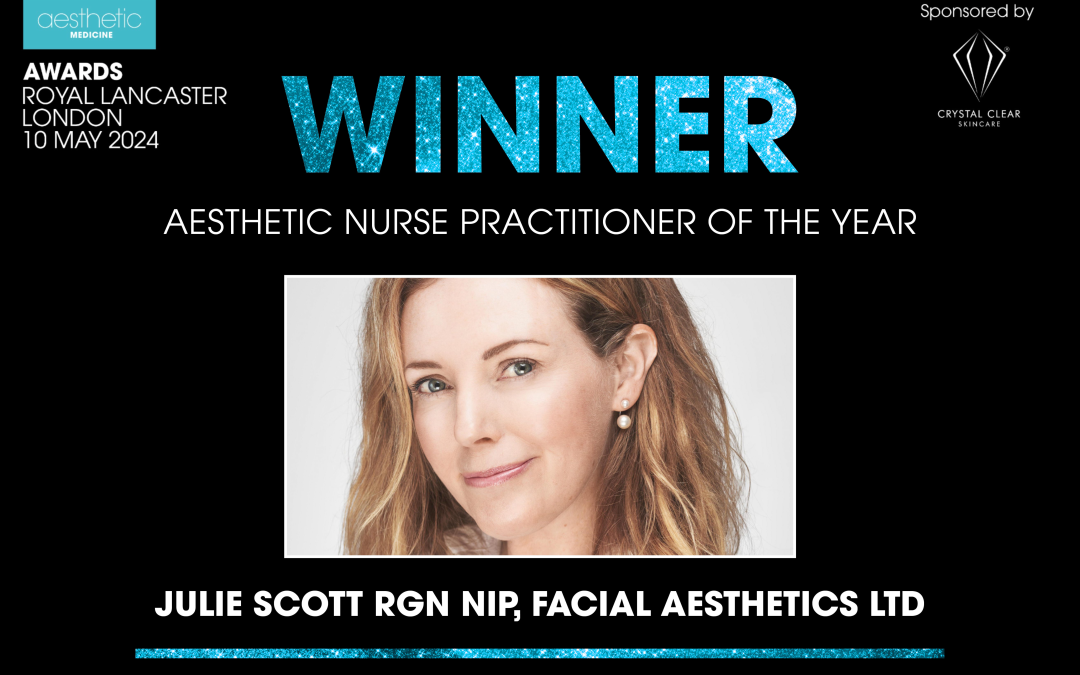
    Julie Scott wins Aesthetic Medicine Nurse Practitioner 2024!

    Julie Scott wins Aesthetic Medicine Nurse Practitioner 2024!

    Winning Nurse Practitioner of the Year at the Aesthetic Medicine Awards…….

    I’m grateful beyond words for this latest recognition. Every day, I’m reminded of the privilege it is to treat and make a difference in the lives of my patients . While I’ve been fortunate enough to receive other awards, each one fills me with immense gratitude and reinforces my dedication to my profession.

    I never take these honors for granted; I dedicate these to every patient, colleague, and mentor who has inspired and supported me along my journey.

    I have a heart full of gratitude 🙏
    a few tears were shed…upon receiving this news, a poignant reminder for me of the profound impact nursing has on my life.

    I have so much respect and admiration to all the incredible nurses who were shortlisted alongside me; your dedication and compassion are truly inspiring.

    A heartfelt thank you to my dearest friends and colleagues who were by my side last night 🥰 to the sponsor @crystalclearskincare 🙏 and of course the event organiser @aestheticmed_live for this meaningful recognition.

    My mum would have been very proud! This one is for you my darling Mum ❤️


    An Award Winning Nurses Skincare Regime

    An Award Winning Nurses Skincare Regime

    As an Aesthetic nurse, I often get asked by my patients about my skincare regime and what products I use. It is really important here to remember that skincare is never ‘one size fits all’ and although these products work best for me, they may not suit you. If in doubt, always consult with your skincare specialist and ask if you feel you are missing something from your regime.

    Having said this, some of these products I have been using for years and we should all, for example, an SPF. Whilst the SPF I choose may not be the one for you, bare in mind that we should ALL wear one every day.


    My Morning Skincare Regime

    In the morning I always start out with my ZO Hydrating Cleanser. This is a real hero product and removes oils from my skin, hydrates me and nourishes my skin.


    The second step of my skincare regime is a spring water spray. I use a water spray to give me a lightweight refreshing spritz to hydrate and revitalise my face before I put any products on it.


    I follow this with the ZO Illuminating AOX Serum. This product is wonderful for reducing the early signs of ageing and also provides environmental protection and is particularly good for people who work in high pollution environemnts.

    Next I use the terrific ZO 10% VItamin C Self Activating product. Everyone should have a Vitamin C product in their regime. This product provides powerful antioxidants to protect the skin. It also helps remove surface discolouration. Vitamin C is brightening, protecting and powerful and I cannot recommend a Vitamin C product for your skincare regime, highly enough.

    The third step of my skincare regime is the Dr Levy Eye Booster Concentrate. This wonderful product contaqine stem cells and is intensely rejuvinating. I adore the Dr Levy products, but especially the ones containing stem cells. The revitalising properties of these products is something I have found in very few other products and is the reason Dr Levy has been a must for me for quite a long time now.

    Next, I use my ZO Intense Eye Creme. This fantastic product contains the wonder chemical retinol – which many of you may not know is also know as Vitamin A. This product visibly reduces wrinkles and helps protect against free radicals, one big cause of ageing and skin damage.


    Lastly but by no means least, we have our SPF. ANyone who has been to see me, knows how much I advocate for the wearing of SPF every day.

    I tend to switch between different SPFs depending on the season and just how I feel each day. My current top 3 would be:

    HydroPeptide Solar Defense  Tinted SPF 30. This product provides you with a wonderful glow and smells divine as well.

    ZO SPF + Primer. This product is wonderful for wearing with makeup, acting as a priming base while ensuring you wear your sun protection.

    Lastly, ZO SPF + Powder. This product is wonderful as it comes in a owder form. It comes in 3 diffferent shades, medium, light and dark and allows you to top up your SPF throughout the day without affecting your makeup. You simply brush the powder on over your makeup and it provides you with your sun protection that can be topped up easily at any time.


    Once you have your regime in place, I cannot stress enough the importance of sticking to it. Ensuring you use these products daily is so important to getting the best results and taking care of your skin the best you can.

    If you’re in doubt about what you should be using or how we can help, please get in touch and arrange a consultation where we can talk about your skin and what products would be right for you.

    Brain Fog: Navigating the Mental Haze of Menopause

    Brain Fog: Navigating the Mental Haze of Menopause

    Stanley Cup Sag - Etre Vous Interview with Skin Expert Julie Scott
    Brain Fog: Navigating the Mental Haze of Menopause

    “Brain fog” is more than just a catchy term—it’s a very real, often bewildering experience that affects many women during menopause. It’s that feeling of mental confusion, forgetfulness, or inability to think clearly. It’s not uncommon for women to feel like they’re losing their mental sharpness, and for many, this leads to worries about more serious cognitive issues like dementia. At Facial Aesthetics, we recognise how deeply these symptoms can impact your confidence, your work, and your relationships, and we’re committed to addressing brain fog with empathy and effective strategies. 

    The Reality of Brain Fog: A Personal and Shared Experience

    The onset of brain fog can feel like an unsettling shift—suddenly you find yourself forgetting important details, struggling to remember words, or feeling mentally drained after the simplest tasks. It’s a sense of cloudiness that can overshadow even the brightest of days. Many of the women I see in my clinic have confided in me their fears that they might be developing dementia, which is an incredibly frightening thought. Let me reassure you—brain fog during menopause is common, and it is different from dementia.

    Personally, before I began Hormone Replacement Therapy (HRT), I experienced my own version of brain fog: my sharpness dulled, I was more forgetful, and the right words often seemed just out of reach. Articulating my thoughts, something I had always taken for granted, suddenly became a challenge. These changes made social and professional situations more stressful, and I understand the frustration and embarrassment that many women feel when they face similar struggles.

    The Underlying Causes of Brain Fog in Menopause

    Brain fog is largely a consequence of hormonal fluctuations, specifically the decline in oestrogen levels during perimenopause and menopause. Oestrogen plays an important role in various brain functions, including memory, attention, and verbal fluency. When oestrogen levels dip, the areas of the brain responsible for these functions are directly impacted. However, hormonal changes aren’t the only culprit—other factors like stress, inadequate sleep, and lifestyle choices also play a role in amplifying these cognitive issues.

    One aspect that is often overlooked is the cumulative effect of life changes during menopause. Many women are juggling demanding careers, caring for children, and often supporting ageing parents. The stress from trying to manage these responsibilities can exacerbate cognitive symptoms. Additionally, societal expectations often lead women to try and “push through” these symptoms in silence, which can make the experience even more isolating.

    Hormone Replacement Therapy and Lifestyle Interventions

    While Hormone Replacement Therapy (HRT) can offer relief from many of the symptoms of menopause, including brain fog, it is not a universal solution, nor is it the only tool available. For many women, HRT—especially oestrogen replacement—can significantly improve cognitive symptoms. Oestrogen is known to support cognitive health by promoting neuronal growth, enhancing blood flow to the brain, and maintaining neurotransmitter levels. In some cases, testosterone supplementation may also help, particularly for women whose symptoms include persistent mental fatigue and a lack of focus.

    However, lifestyle interventions are equally crucial in managing brain fog effectively. Here are some approaches that can help lift the mental haze:

    Managing stress factors:

    1. Prioritise Deep, Restorative Sleep: Quality sleep is not just about duration but depth. Aim for 7-9 hours of sleep each night, focusing on establishing a routine that signals your body to wind down. This might include reading, taking a warm bath, or practising relaxation exercises. Lack of sleep impairs the brain’s ability to consolidate memories and affects your overall mental clarity.
    2. Manage Stress Through Mindfulness: Chronic stress elevates cortisol levels, which can impair cognitive function over time. Stress-reduction techniques, such as deep breathing exercises, meditation, and mindfulness, can help mitigate these effects. Even short moments of focused breathing or mindful meditation throughout the day can reduce mental fatigue and enhance clarity.
    3. Social Connections and Emotional Support: Menopause can feel isolating, especially when symptoms like brain fog make it hard to keep up in conversations or remember details. Staying socially active helps keep your brain engaged, provides emotional support, and can boost your mood. Don’t underestimate the power of talking with friends or sharing your experiences in a support group—you are not alone, and these connections can be a lifeline.

    1. Nutrition for Cognitive Health: The brain thrives on nutrient-rich foods. A balanced diet that includes plenty of omega-3 fatty acids, antioxidants, and phytoestrogens can help support cognitive function. Omega-3s, found in fish like salmon and nuts like walnuts, are known to promote brain health, while antioxidants combat oxidative stress that can damage brain cells.
    2. Regular Physical Activity: Exercise is a powerful tool for maintaining mental sharpness. Aerobic exercise, in particular, increases blood flow to the brain, stimulating the growth of new neurons and improving overall brain health. It also reduces stress and promotes better sleep—both of which can alleviate brain fog.
    3. Breaking Tasks into Small Steps: Facing a complex task when your mind feels foggy can be overwhelming. By breaking tasks into smaller, more manageable steps, you can avoid feeling overloaded and maintain focus. Celebrating each small accomplishment not only motivates you but also helps rebuild mental confidence.
    4. Stay Organised with External Supports: Mental clutter can be exhausting. Using organisational tools like planners, to-do lists, or digital reminders helps externalise your mental load, allowing you to focus on one thing at a time. Staying organised reduces the stress of trying to mentally track everything you need to do.
    5. Create a Focus-Friendly Environment: Minimise distractions by creating a dedicated workspace. Keeping your phone on silent or away from your workspace, closing unnecessary browser tabs, and setting specific time slots for focused work can help you achieve greater productivity without mental exhaustion.
    6. Challenge Your Brain: Cognitive exercises are essential for keeping the brain agile. Activities like puzzles, crosswords, Sudoku, or learning something new challenge your mind and keep neural pathways strong. Cognitive stimulation doesn’t need to be intense—even spending a few minutes each day on a mentally engaging activity can have lasting benefits.

    The Complex Relationship Between HRT and Dementia Risk

    There is ongoing research into the effects of HRT on long-term cognitive health, particularly its role in potentially reducing the risk of dementia. Some studies suggest that starting HRT around the time of menopause may offer cognitive protection, particularly in women who have undergone premature menopause before the age of 40. Oestrogen appears to have neuroprotective properties that help maintain brain health, but it’s crucial to note that HRT isn’t right for everyone, and decisions should always be made in partnership with a healthcare professional.

    The relationship between HRT and dementia is complex, and while some evidence points to benefits, other studies highlight risks, particularly if HRT is started many years after menopause. It’s important for women to have honest conversations with their healthcare providers to determine the best course of action based on their personal health history and risk factors.

    Moving Forward with Clarity

    Menopause is a time of profound change, and brain fog is a part of that change for many women. However, with the right tools and strategies, it’s possible to manage these symptoms and regain mental clarity. Hormone Replacement Therapy, while helpful for some, is only one part of the equation. Lifestyle adjustments, stress management, proper nutrition, exercise, and social support all play vital roles in lifting the fog and helping you feel like yourself again.

    Remember, you are not alone in this journey. Talking about brain fog and other menopausal symptoms openly is the first step toward understanding and managing them. At Facial Aesthetics, we’re here to support you every step of the way, providing both medical options and holistic strategies to help you thrive during menopause and beyond.